Quick Summary
Software development is awash with methodologies that focus on optimizing process. But process alone doesn't guarantee success. Projects still miss deadlines, burn out teams, and fail to deliver value.
Why? Because most methodologies ignore the underlying force that shapes every decision: risk.
1. All Work Is Risk Management
Here's the central insight: every action you take on a project is managing a risk.
- Improving the login screen? You're reducing the risk of users not signing up.
- Adding health monitoring? You're mitigating the risk of failures going unnoticed.
- Implementing a new feature? You're addressing the risk that users go elsewhere.
Risk isn't just something that shows up in a quarterly report. It drives everything we do.
Once you see this, you can't unsee it: the "Thinking" track makes this case and attempts to give you the tools you need to make the most of this perspective on software development.
Read more: A Simple Scenario
2. Methodologies Are Risk Frameworks

Agile, Waterfall, Lean, DevOps—these aren't competing religions. They're different risk frameworks, each optimized for different concerns:
- Agile prioritises the risk that requirements change and are hard to capture up front.
- Waterfall guards against the risk of expensive rework by planning thoroughly.
- Lean attacks the risk of wasted effort and incomplete work.
- DevOps targets the risk of slow, error-prone deployments.
No methodology is "right" in the abstract. Each addresses specific risks while introducing others. The question isn't which methodology to believe in—it's which risks matter most on your project.
"Methodologies are like bicycles, rather than religions. Rather than simply believing, we can take them apart and see how they work. "
Read more: Risk Frameworks
3. You Can Build a Vocabulary for Risk
Other industries systematically classify their risks. Finance tracks credit risk, market risk, and liquidity risk. Insurance quantifies risks of death, injury, and accident. Manufacturing calculates defect tolerances. Software can do the same. Risk-First provides a pattern language of software risks—recurring risk types you'll encounter on any project.
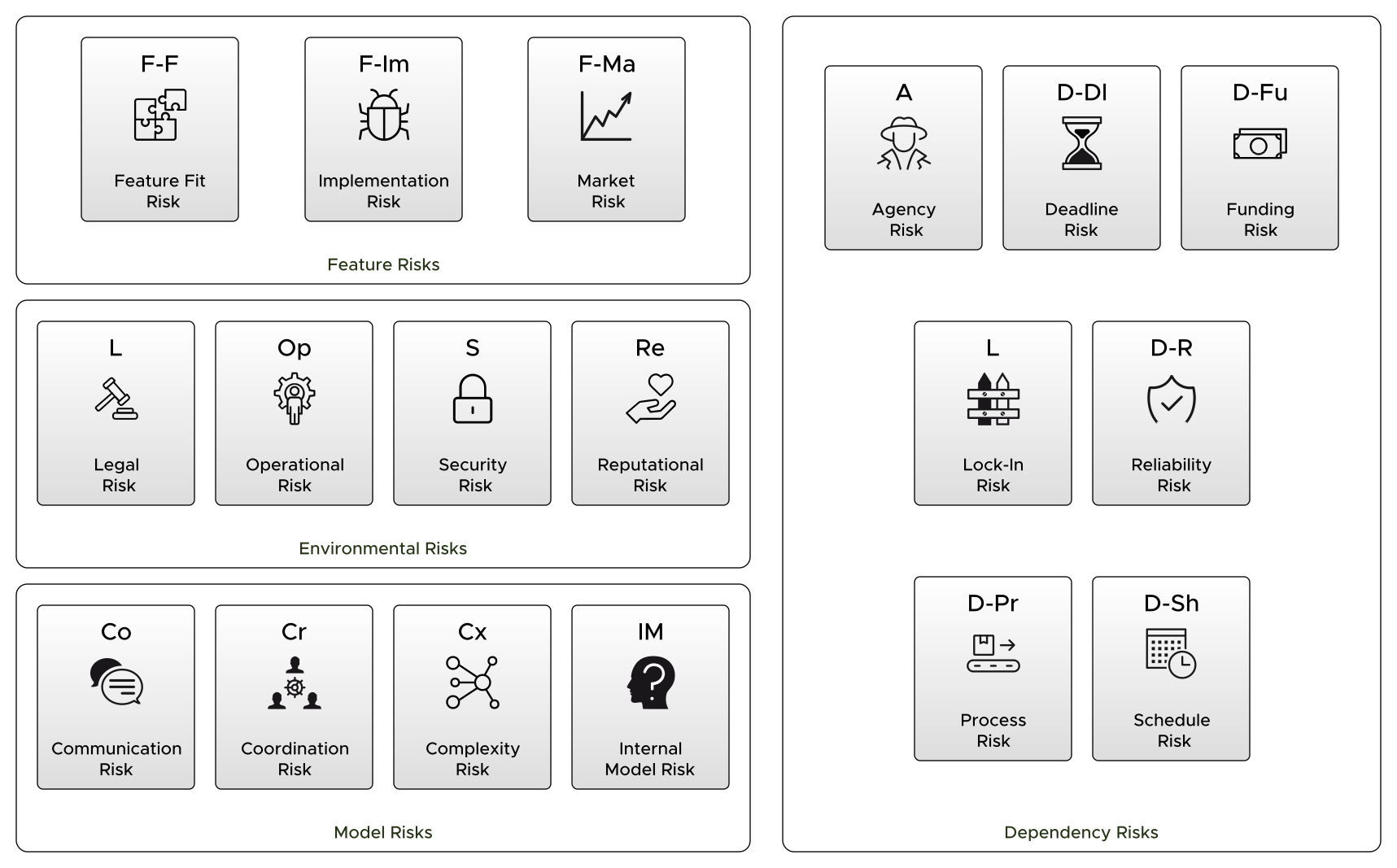
With this vocabulary, you can:
- Name the risks you're facing, so teams can discuss them clearly.
- Anticipate Hidden Risks before they blindside you.
- Prioritise which risks to tackle first.
Read more: Software Development Risks
4. Every Practice Is a Trade-Off
Once you accept that all work is risk management, you can analyse any practice through this lens. Here, we use Risk-First Diagrams to convey the risk trade-offs you're making for any given activity. For example:
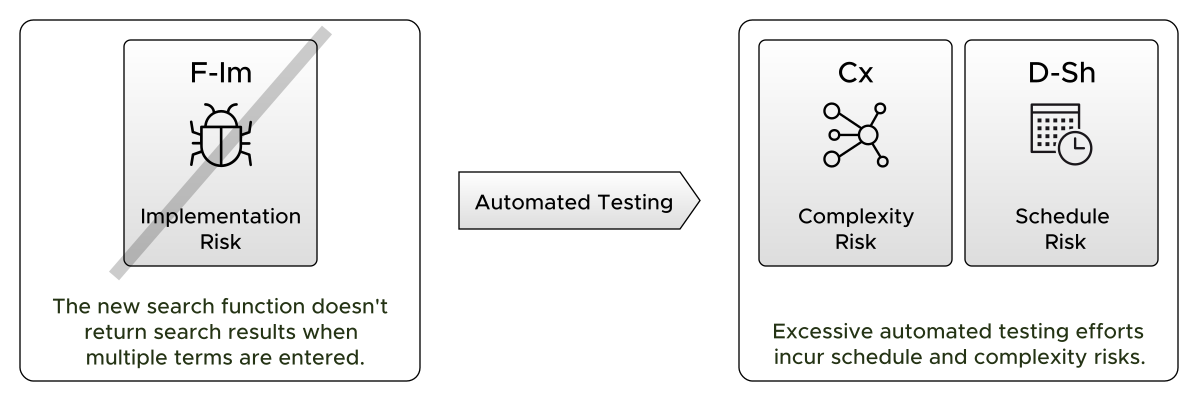
Automated Tests guards against regression — but requires maintenance.
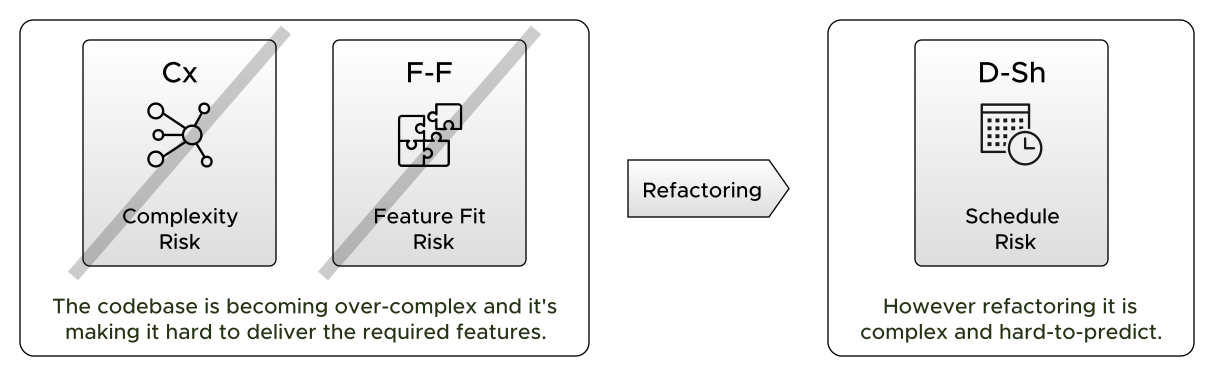
Refactoring can help manage complexity and ensure features match the customer's requirements, but can put your schedule at risk.
Different tools manage different risks. The art is matching the right practice to the risks that matter most.
Read more: Practices
5. Navigate the Risk Landscape
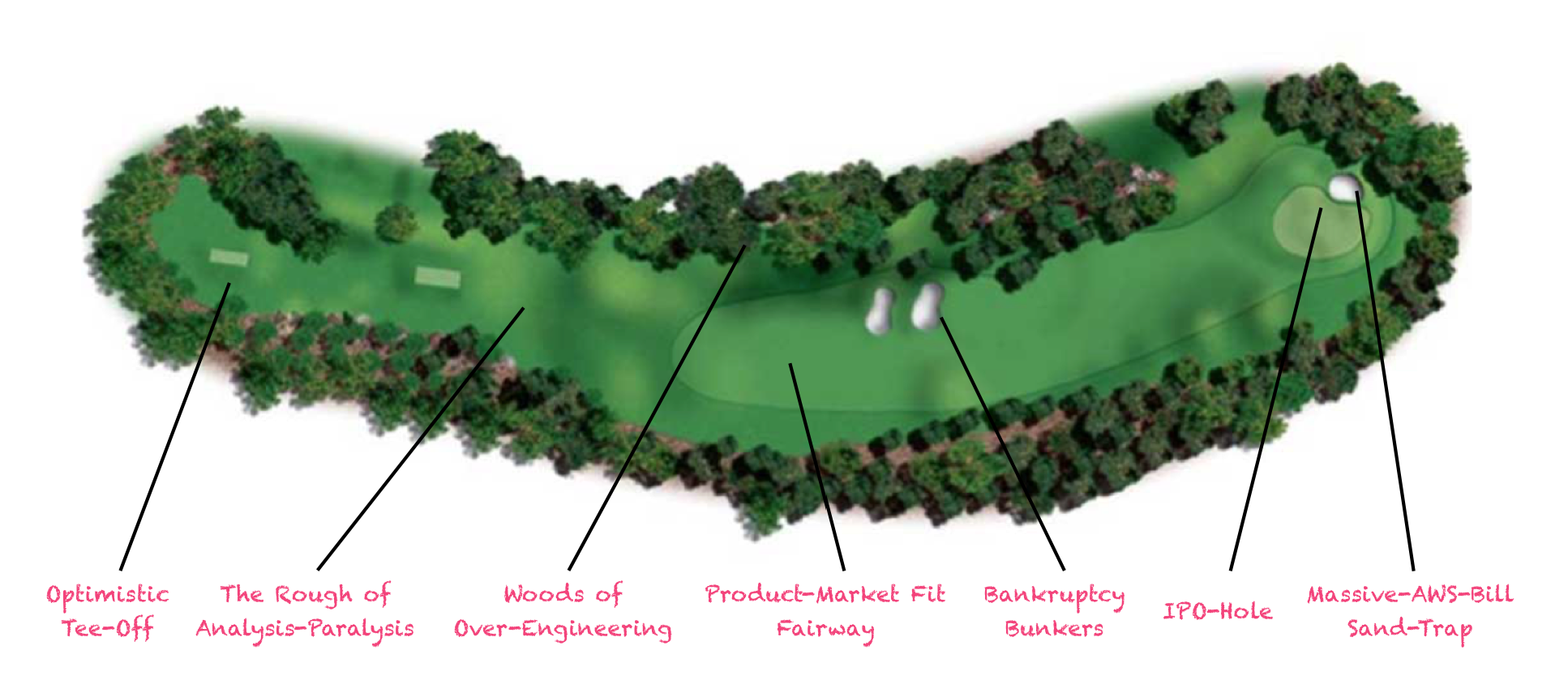
You can't eliminate risk from a software project. But you can take actions that move you to a better position in the Risk Landscape—a place where the risks you face are more favourable than where you started.
Every decision involves trade-offs:
- Sign-offs improve coordination and quality control, but introduce bottlenecks.
- Redundancy eliminates single points of failure, but creates synchronization complexity.
- Process enables measurement and coordination, but risks bureaucracy.
Risk-First gives you a framework to weigh these trade-offs explicitly, rather than relying on instinct or ideology.
Read more: The Risk Landscape
6. Don't Let Risk Control You
Whether you're a developer, team lead, or CTO—and regardless of your tech stack or process preference—Risk-First furnishes you with new tools to guide projects to better outcomes.
You'll gain:
- A vocabulary for identifying and discussing risks with developers, users, or executives.
- Techniques for de-risking, making bets, and setting priorities.
- The confidence to adapt when requirements change or new challenges like AI emerge.
Don't let risk control you—make it your competitive edge.
Next Steps
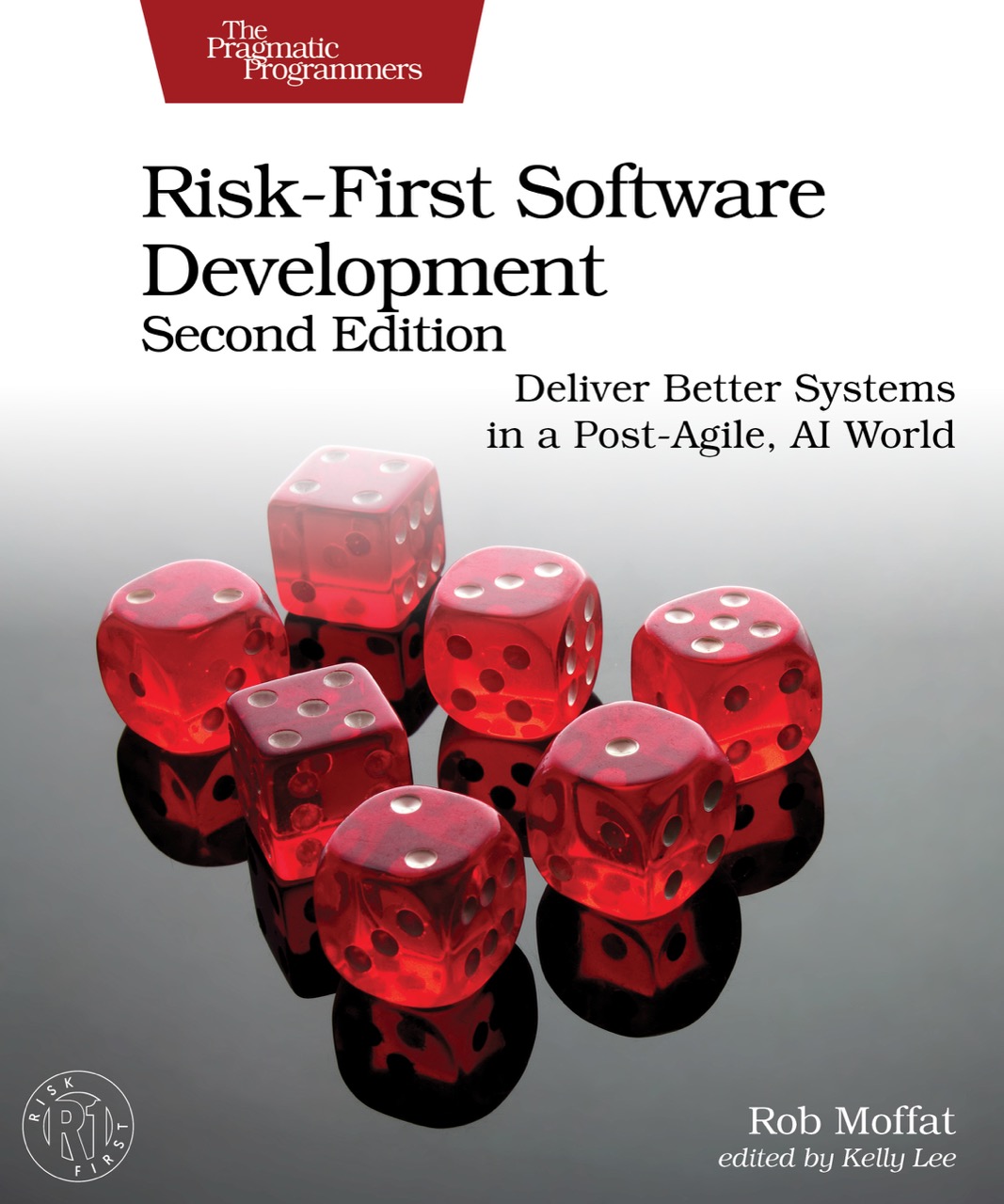
Want to go deeper? Risk-First Software Development: Second Edition brings together all of this material in a structured, comprehensive guide. Available now from Pragmatic Bookshelf.
Or continue on this website: Tracks explains how the material on this site is structured.